
The problem of fragmentation
It is often in the gaps between one visit and the next that drop-outs occur and the value of care is lost. A patient who moves between several specialists without a shared common thread risks losing information, therapeutic goals and trust in her care pathway.
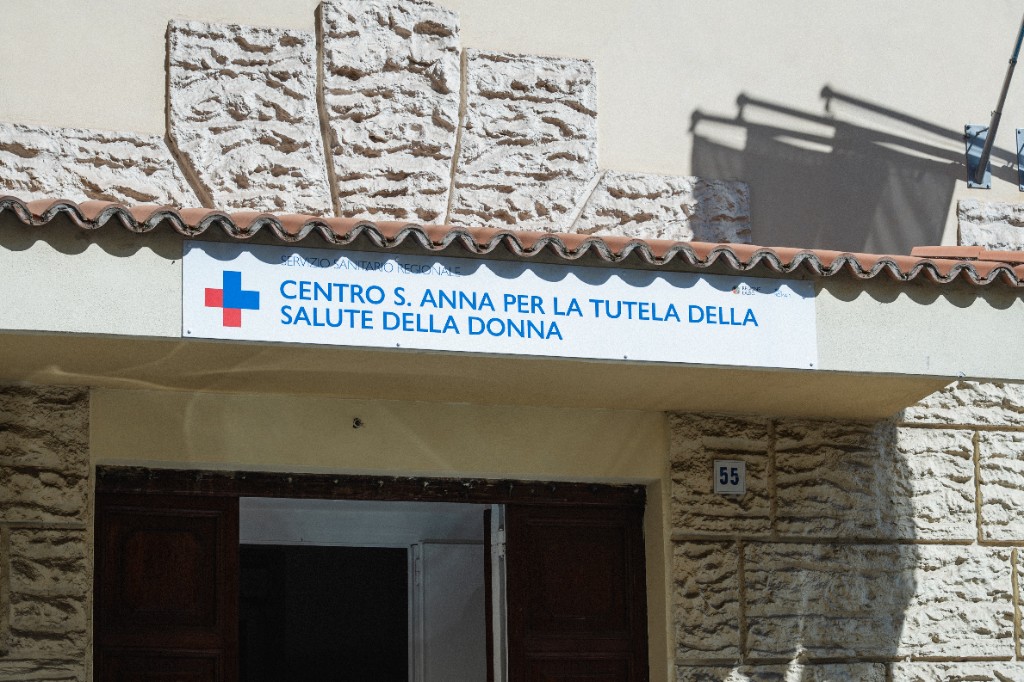
The «Sant'Anna» Women's Health Centre (ASL Roma 1) was created to occupy precisely that space. It is a second-level public hub dedicated to gender medicine, supporting women through every stage of life — from adolescence to old age — through multidisciplinary diagnostic and therapeutic care pathways (PDTA), ranging from conditions with a strong gender dimension to syndromes that are still all too often "invisible", such as fibromyalgia, chronic pain and Long Covid.
What the Continuity of Care Record (CCA) is
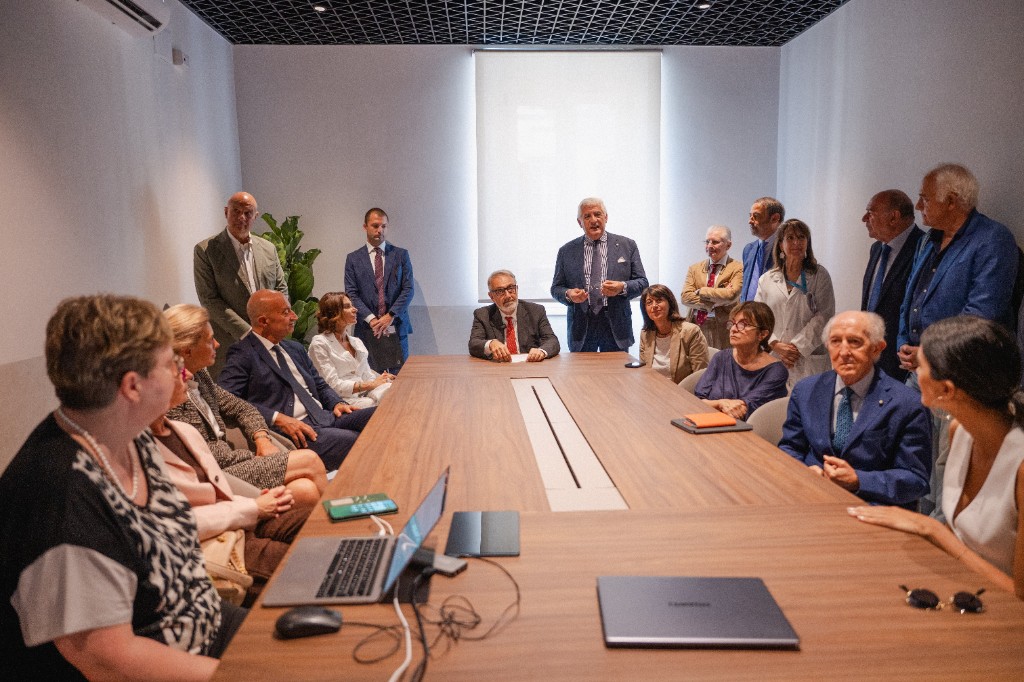
The tool underpinning this design is the Cartella di Continuità Assistenziale (CCA, Continuity of Care Record).
The CCA is not intended to be, and is not, yet another clinical archive, nor does it replace the Electronic Health Record (Fascicolo Sanitario Elettronico) or hospital systems. It lives precisely in the space between one visit and the next: it is opened at the first visit, gathers medical history, test reports, treatment plan and personalised goals, and shows the whole team where the patient stands along her pathway.
When a woman is following several pathways at the same time — as is the case for one patient in five — the CCA and the nurse Case Manager support her integrated care.
Two complementary movements
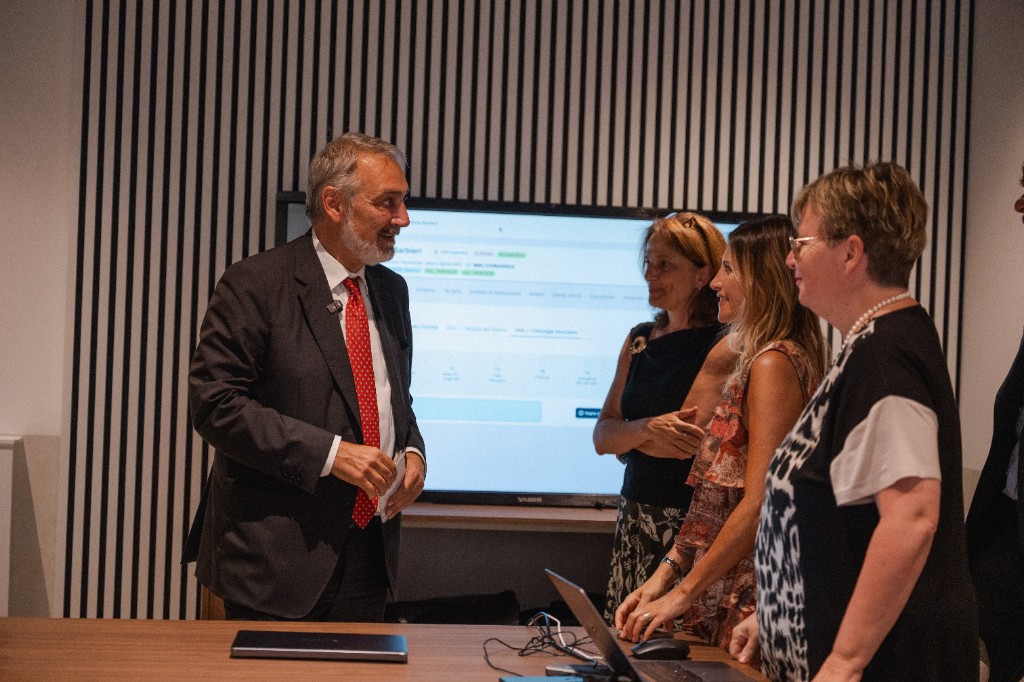
The value of the CCA lies in two complementary movements:
- Enrolment and follow-up: patients can be enrolled in the various PDTA and followed over time.
- Team integration: every member of the team — from doctors to nurses, from psychologists to all the other dedicated professionals — can bring their contribution into a single shared space.
Privacy and GDPR compliance
All of this takes place in strict compliance with the GDPR: access to data is role-based, with enhanced safeguards for the most sensitive information, starting with genetic data.
The pathways launched on 22 June 2026
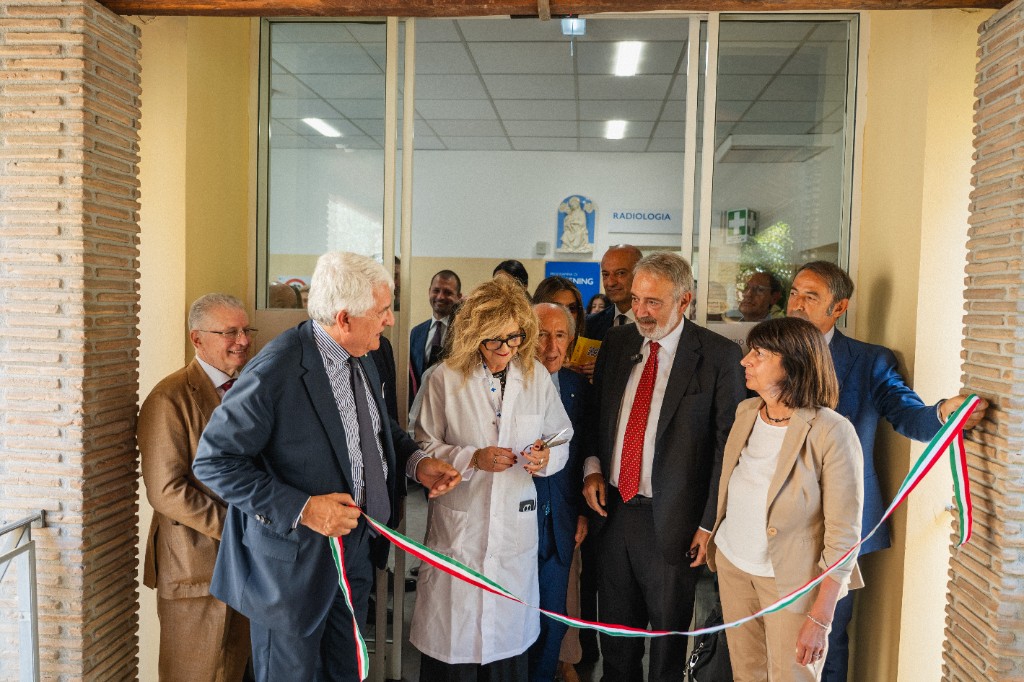
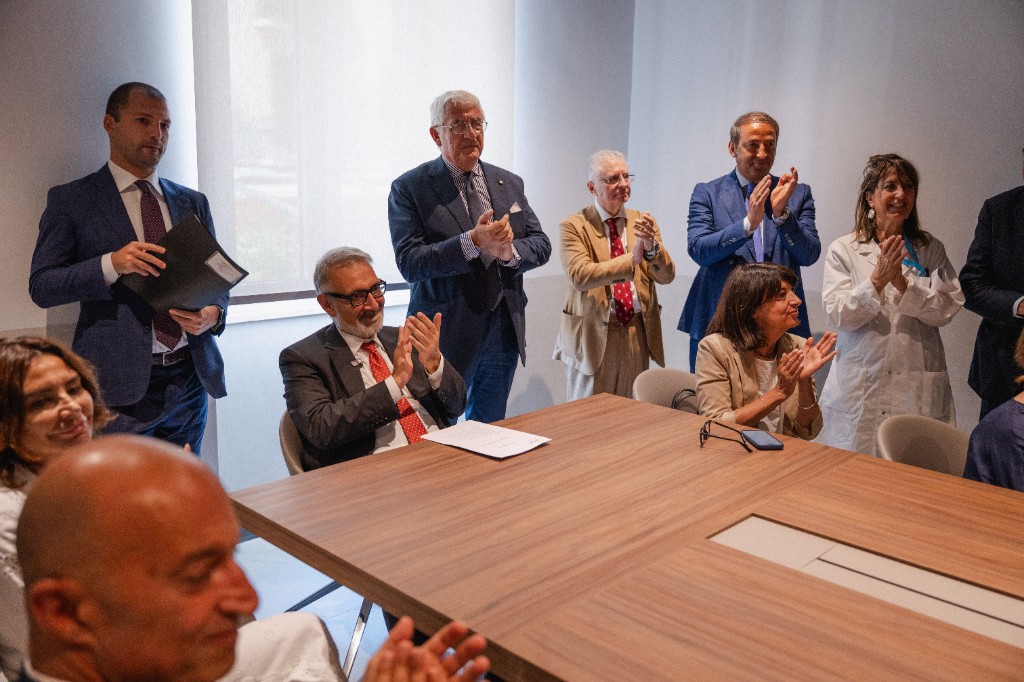
On 22 June 2026 the following pathways were launched: Cardiology, Vascular Surgery, Angiology, multidisciplinary HPV, Predictive Genetics, Medically Assisted Reproduction (PMA), Pain Therapy and Haematology.
Further PDTA will start in September, bringing the goal of twenty integrated pathways closer.
Artificial intelligence supporting clinicians
The record also integrates artificial intelligence solutions to support clinicians: stratification tools that help assess internal-medicine and neurological risk, and automatic population of the clinical report from data already collected in the medical history, laboratory tests and diagnostic imaging.
Dedicated specialised modules are under development, including those for psychology and for the nurse-led clinic.
Integration with the ASL Roma 1 ecosystem
The CCA is integrated with ReCUP and will be progressively connected to the other systems already in use at ASL Roma 1.
Beyond technology: a culture of care
This new resource, designed and developed to serve women and their needs, goes well beyond technology and helps to spread a culture of multidisciplinary, continuous care that can accompany each person throughout her life.
References
Would you like to know more about our projects with ASL Roma 1?
Easy Health supports Centro Sant'Anna in developing digital solutions for continuity of care and gender medicine.